


Dealing with the threat of foreclosure in Iowa can be a daunting and stressful ordeal. It's crucial to understand the process and explore available solutions to safeguard your financial future. If you're wondering, "How can I sell my house fast to avoid foreclosure?" or need guidance on the legal and financial resources available in Iowa, you're not alone. Here's a comprehensive guide to help you take control of your situation and explore your options effectively.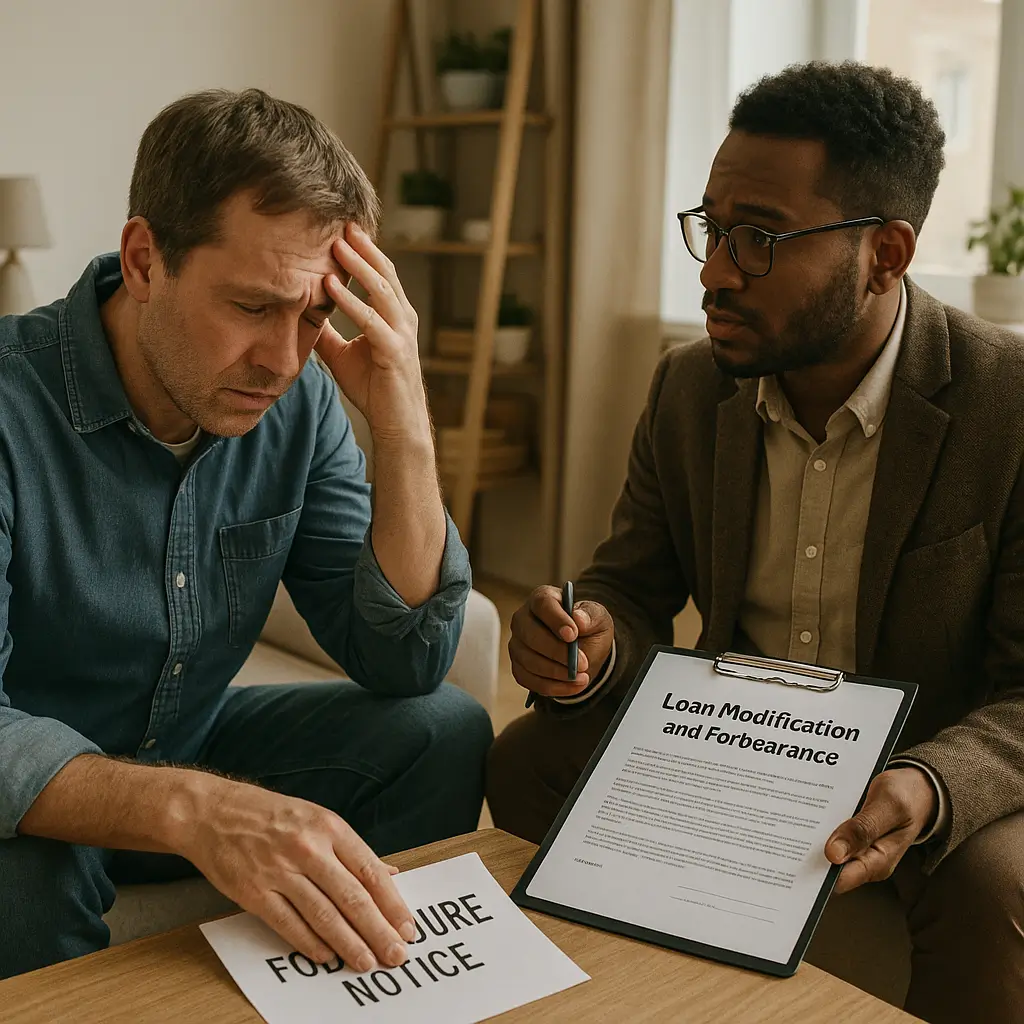
Understanding Foreclosure Timelines in Iowa
Foreclosure in Iowa is a structured process involving several stages that can impact your rights as a homeowner. Generally, if you miss mortgage payments for three to four months, your lender might initiate foreclosure proceedings. Speaking with your lender early can open up options like forbearance or loan modifications to help you keep your home. Typically, foreclosure sales can happen four to six months after the initial missed payment. Being aware of these timelines is critical for taking swift action and exploring local resources to manage the situation.
Accessing Iowa-Specific Resources
Homeowners in Iowa have access to specialized resources designed to help during foreclosure crises. Iowa Mortgage Help offers counseling services that can guide you on steps to prevent foreclosure, possibly enabling you to stay in your home longer. Furthermore, Iowa Legal Aid provides legal assistance to help you navigate the complexities of foreclosure laws. Understanding your rights and exploring real estate options with these services can be vital in negotiating terms with lenders.
Considering Sale-Based Solutions
If you're pressured by foreclosure timelines and looking to sell your house quickly in Iowa, it's important to assess your options:
- Traditional sales may not suit urgent needs but could work if your home is in a favorable location and condition.
- Short sales involve selling your home for less than you owe, requiring lender approval. While this can impact your credit, it's often less severe than foreclosure.
- A deed in lieu of foreclosure lets you voluntarily transfer ownership to the lender, relieving you of the mortgage but resulting in the loss of your home.
Alternatively, selling to cash home buyers in Iowa presents a rapid solution. Cash buyers often purchase homes "as is" and can close deals quickly, which could be a significant advantage when foreclosure deadlines are tight.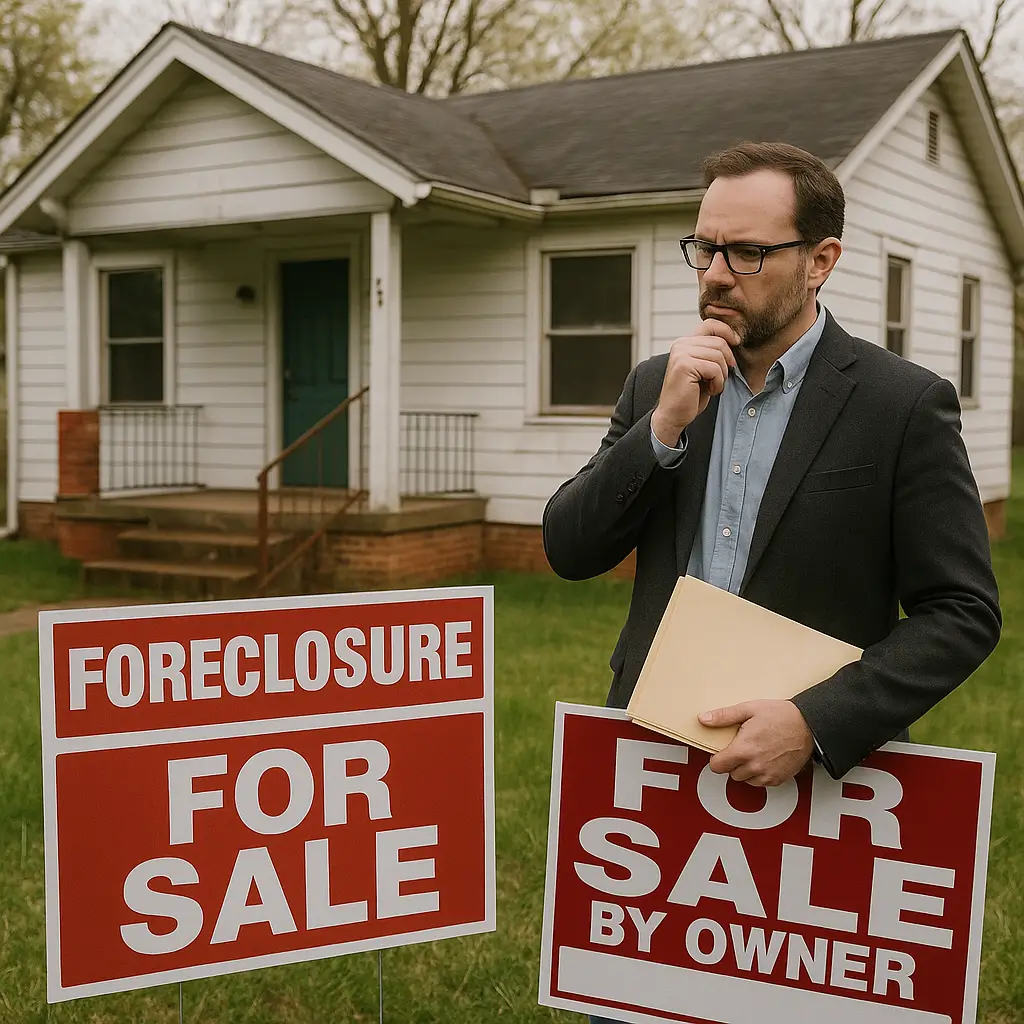
Managing Documentation and Coordination
Organizing your documentation is crucial when you’re arranging a home sale amidst foreclosure threats. You should collect key paperwork, such as:
- Recent mortgage statements
- Property tax records
- Any lien documents
Ensure this documentation aligns with your sale or negotiation timelines. Having complete paperwork will help streamline transactions, whether you engage directly with lenders, pursue a short sale, or work with cash buyers.
Conclusion
Foreclosure in Iowa requires proactive and informed actions. By leveraging state-specific resources like Iowa Mortgage Help or considering swift sale options with cash buyers, you can make well-informed decisions to avoid foreclosure. For those searching for fast and effective solutions, reach out to us at webuyiowahomes.com for personalized offers and consultations to meet your unique needs and help guide your housing journey smoothly.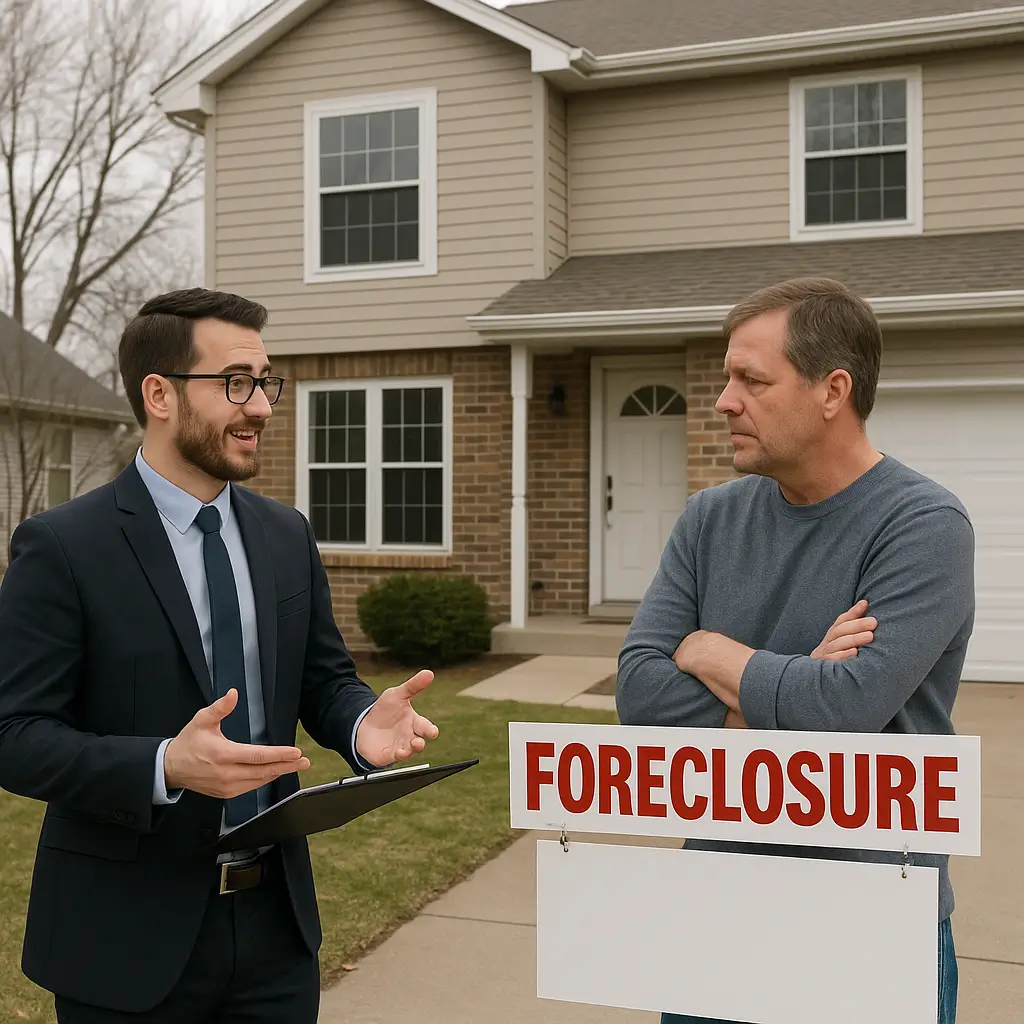
FAQs
Q: What are my legal rights during foreclosure in Iowa?
A: In Iowa, you have redemption rights that allow you to reclaim your property by settling outstanding debts. The period varies depending on the specifics of your foreclosure case, so consulting with local legal aid is advisable for clarity.
Q: Can I sell my home during foreclosure in Iowa?
A: Yes, you can sell your home while it's in foreclosure, provided you adhere to legal requirements. Consider options like short sales or engaging with cash buyers to speed up the process.
Q: How can I get help with my mortgage payments to avoid foreclosure?
A: Iowa Mortgage Help offers guidance on options like loan modifications or forbearance plans, helping you possibly delay or stop foreclosure proceedings.