


For Iowa homeowners, the prospect of foreclosure can be daunting. However, there are steps you can take to either delay the process or alleviate financial pressures. Our guide offers insights tailored specifically for Iowa residents, helping you navigate this challenging time. From leveraging resources like "Iowa Mortgage Help" to exploring legal avenues such as a "waiver of deficiency," taking early action is crucial in securing your financial future.
Understanding Foreclosure Challenges
Facing foreclosure in Iowa brings not only stress but possible financial setbacks. It's vital to grasp the available strategies to minimize long-term impacts on your credit and finances. By proactively addressing these issues, you can tap into specific actions that provide a path to financial stability, allowing you to mitigate potential damage.
Taking Immediate Action with Available Resources
When foreclosure threatens, quick action broadens your options. Here’s where to start:
- Reach Out to Iowa Mortgage Help and HUD-certified Counselors: These experts offer personalized advice tailored to your financial situation. They'll guide you through assistance programs and help explore loan modifications or refinancing options. Acting swiftly with these resources significantly boosts your chances of finding a durable solution.

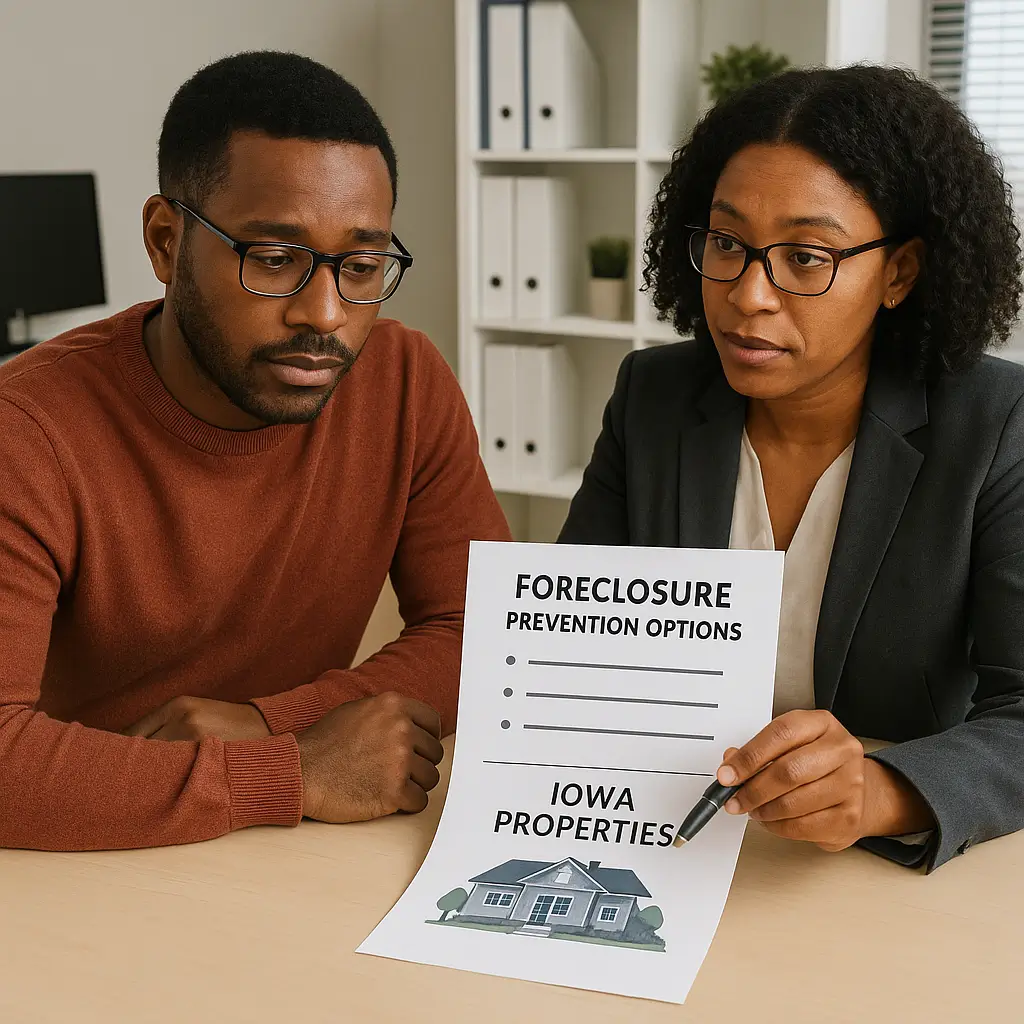
- Consider Loan Modifications or Refinancing: You might negotiate with your lender to adjust loan terms, making your mortgage manageable. If changes in your finances are favorable, refinancing could reduce your interest rates or extend payment periods.
Legal Strategies to Reduce Financial Burden
Iowa offers several legal tools that might ease the aftermath of foreclosure:
- Negotiating a Waiver of Deficiency: This tactic can absolve you from paying leftover debt if your home sells for less than what’s owed. Discussing this option with your lender can protect you from future debts.


- Get to Know the Foreclosure Process: Understanding Iowa's foreclosure procedures can help you prepare and potentially use legal avenues to delay or stop the process.
Exploring Alternatives to Foreclosure
Exploring foreclosure alternatives may help ease financial pressure:
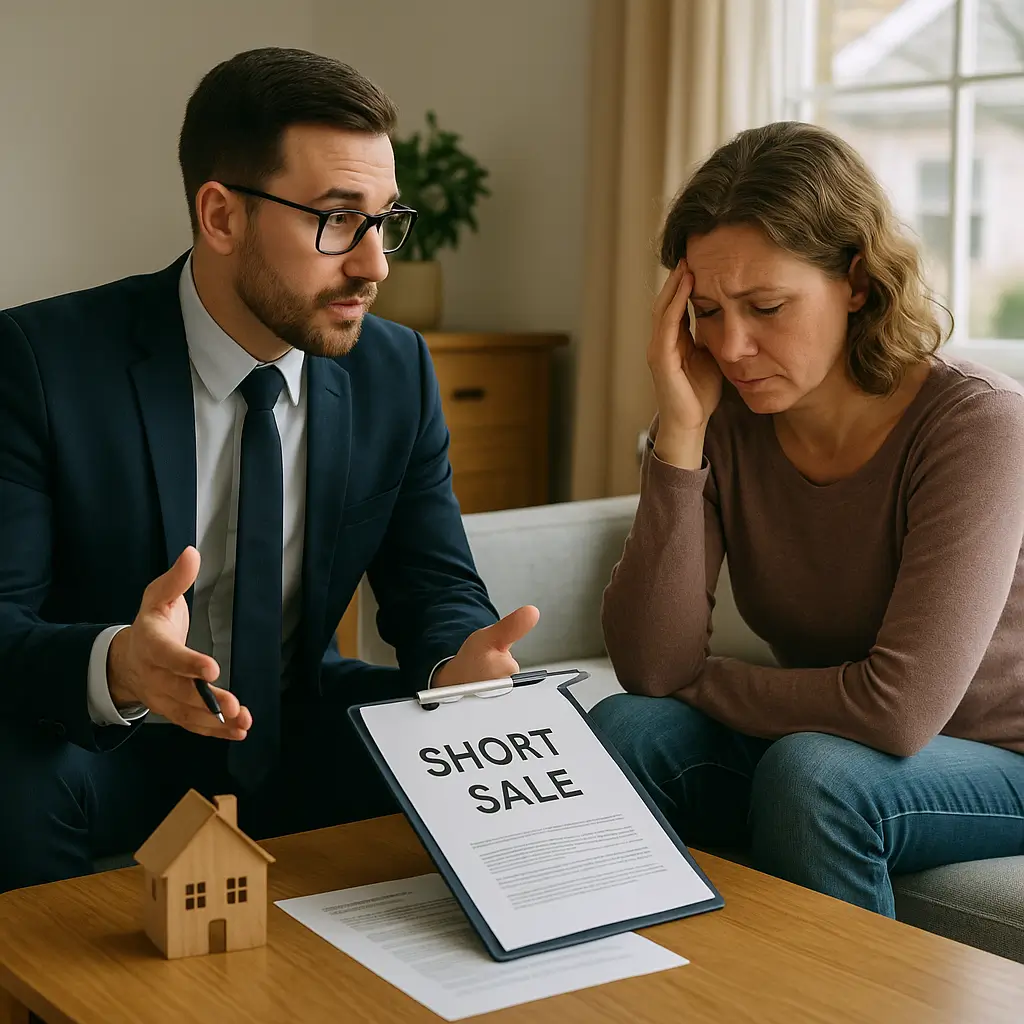
Consider a Short Sale: Selling your home for less than the remaining mortgage can lighten your financial load. While this needs lender approval, it usually impacts credit less than foreclosure.
Deed in Lieu of Foreclosure: Handing over your property to the lender can sometimes stop foreclosure. Make sure your terms include a waiver on any deficiency balance owed.

- Bankruptcy as an Option: Although fraught with consequences, bankruptcy can temporarily pause foreclosure, giving you time to arrange your finances.
Preventive Measures and Counsel
Enlisting the right support early in the foreclosure process is essential:
Get Ahead with Early Intervention: Early talks with your lender, along with seeking legal aid, can preserve alternatives to foreclosure.
Leverage Legal Aid and Housing Counselors: These professionals can help you understand legal jargon, negotiate with lenders, and safeguard your interests.
Conclusion
Foreclosure doesn’t have to spell financial ruin. By using Iowa-specific strategies and resources, you can navigate this hurdle and emerge with a more secure financial footing. If you’re facing foreclosure, reach out to We Buy Iowa Homes for expert advice on swiftly and effectively selling your property while avoiding additional financial strain.
FAQs
Q: How soon can I get help with foreclosure in Iowa?
A: If you contact Iowa Mortgage Help or HUD-certified counselors promptly, assistance programs often activate within days to weeks, tailored to your individual circumstances.
Q: Is opting for a short sale better than foreclosure in Iowa?
A: Yes, a short sale usually has a lesser impact on your credit than foreclosure, but proceeding with one requires your lender's approval.
Q: How can bankruptcy halt foreclosure?
A: Bankruptcy can provide temporary relief from foreclosure through an automatic stay, offering time to realign your finances. Be sure to weigh the long-term financial and legal repercussions before choosing this path.