


Foreclosure can be an overwhelming challenge, leaving many Iowa homeowners searching for ways to safeguard their homes and financial well-being. If you're looking for "foreclosure help in Iowa" or seeking effective "foreclosure solutions," it's important to understand the specifics of the process in your state. This guide offers practical insights and options tailored for Iowa residents, helping you make informed decisions and explore viable solutions to prevent foreclosure stress. Whether you're facing missed mortgage payments or seeking local assistance, exploring your legal rights and available resources as early as possible is key.
Understanding Foreclosure in Iowa
In Iowa, foreclosure generally takes two forms: judicial and non-judicial. The more common judicial foreclosures require court approval before proceeding with a sale. This process has several stages, beginning with a notice of default, followed by a court judgment, and possibly ending in an auction of your property. This method gives homeowners a chance to respond legally, which might extend timelines and open doors for negotiation.
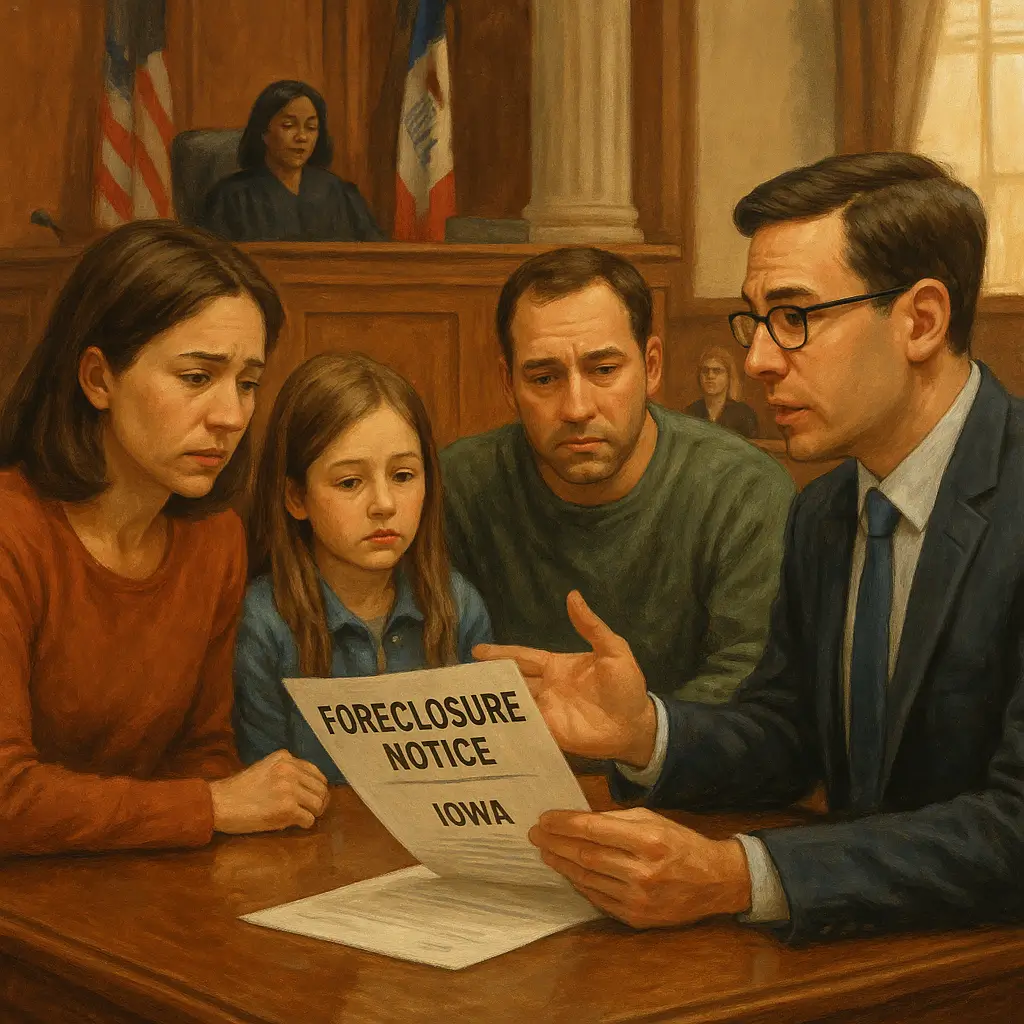
On the other hand, non-judicial foreclosures are less common and move faster since they don't involve the courts. Typically, Iowa homeowners receive a notice after missing payments for 90 days. At this point, the lender can start the foreclosure process. Being aware of the foreclosure timeline is crucial, as this understanding enables you to act timely and explore alternatives to protect your home.
Rights and Options for Iowa Homeowners
Throughout the foreclosure process, homeowners in Iowa maintain certain legal rights. You have the option to defend against foreclosure, which might involve contesting the lender's claim, requesting mediation, or seeking other alternative solutions. Staying in communication with your lender is essential; be proactive about getting updates on your account status and explore potential resolutions.
It's important to note that Iowa law offers borrowers redemption rights, which allow you to recover your home by paying off what's owed before the foreclosure sale. Use this redemption period wisely to negotiate with your lender or to find measures that can prevent further financial difficulties.
Foreclosure Avoidance Solutions
If you're keen on avoiding foreclosure, consider the following options based on your financial situation:
- Loan Modifications: They involve changing the terms of your mortgage to lower monthly payments.
- Forbearance Agreements: These agreements can either pause or reduce your payments temporarily.
- Bankruptcy Considerations: Although a more serious measure, this legal proceeding can halt foreclosure temporarily and restructure your debts.
- Deed in Lieu of Foreclosure: By willingly transferring your property's deed to the lender, you can avoid formal foreclosure proceedings.
- Short Sale Options: Selling your home for less than what's owed on your mortgage with the lender’s approval.
- Iowa-Specific Programs: Seek help from local resources like the Iowa Mortgage Help Initiative for counseling and financial guidance.
Each path has its unique advantages and limitations, so it's wise to weigh them carefully and consult professionals if needed.
Seeking Help and Resources
Homeowners in Iowa have access to numerous assistance programs and resources that offer valuable support. Non-profit housing counselors, in conjunction with programs through the Iowa Finance Authority, can be particularly helpful. They can assist you in evaluating your situation and developing a strategic action plan.
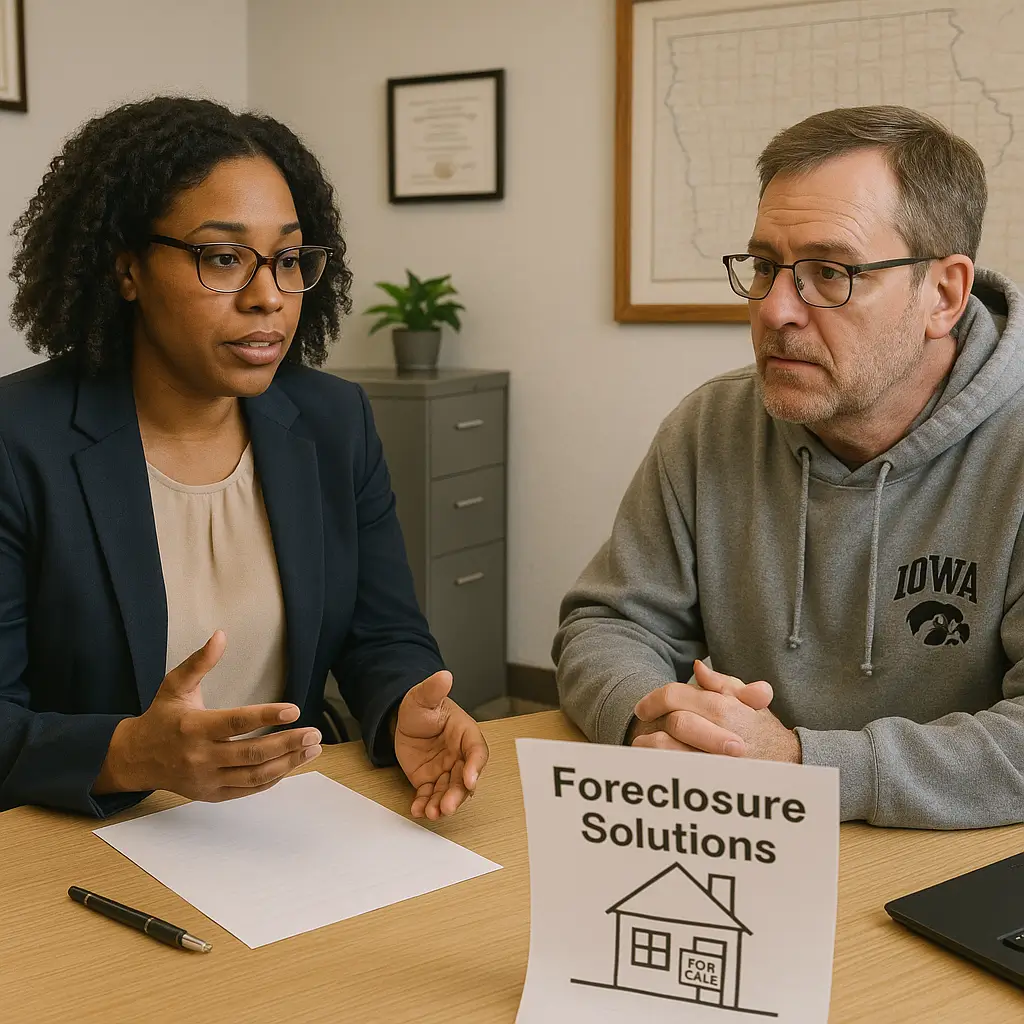
It's crucial to seek help sooner rather than later. Delaying can compound financial difficulties and restrict your options. By leveraging these resources early on, you'll gain peace of mind and a clearer path forward.
Conclusion
Facing foreclosure in Iowa can indeed be daunting, but by understanding your options and rights, you can make empowered and informed decisions. If financial strain is impacting you, our team at webuyiowahomes.com is ready to help with fast-sale consultations and tailored advice. Keep lines of communication open with your lender, explore every avenue, and don't hesitate to reach out for the support and resources needed in these challenging times. Explore a cash offer for your home today.
FAQs
Q: What steps can Iowa homeowners take to avoid foreclosure?
A: Iowa homeowners might look into loan modifications, forbearance agreements, or short sales. Seeking advice from local programs like the Iowa Mortgage Help Initiative can provide additional support tailored to individual circumstances.
Q: How long does the foreclosure process take in Iowa?
A: The length varies, with judicial foreclosures often taking several months from the default notice to a property auction. Non-judicial foreclosures progress more quickly, highlighting the importance of early action.
Q: What rights do homeowners have during the Iowa foreclosure process?
A: Homeowners can contest foreclosures in court, negotiate with lenders, and have the option to redeem their property before sale by paying the outstanding amount. Knowing and exercising these rights can be vital in preventing foreclosure.