


Facing the threat of foreclosure can be daunting for Iowa homeowners, especially when financial challenges make mortgage payments difficult to manage. It's important to know your options, from utilizing government assistance programs to exploring ways to sell your home quickly. Understanding these resources, including HUD-approved housing counselors and state aid, is key to overcoming these hurdles and finding viable foreclosure help in Iowa.
Understanding Foreclosure in Iowa: Key Information for Homeowners
Foreclosure is a legal procedure initiated by a lender to recover the balance of a loan when a borrower stops making payments. In Iowa, this process can be lengthy, often spanning several months, and involves various legal steps. Given the costs and time associated, avoiding foreclosure is preferable. To protect yourself, familiarize yourself with Iowa’s specific foreclosure procedures and seek assistance early to prevent negative outcomes.
Steps for Preventing Foreclosure: What You Can Do
- Reach Out to Your Lender Immediately: As soon as you encounter financial stress, contact your mortgage lender. Many lenders offer loss mitigation programs like loan modifications or forbearance agreements to help you manage payments.

- Look Into FHA Loss Mitigation Options: If your mortgage is FHA-insured, you may qualify for assistance such as reduced payments or a temporary halt in foreclosure actions.
- Seek Guidance from a HUD-Approved Housing Counselor: These counselors provide free advice, help liaise with lenders, clarify legal options, and assist in managing finances. Their support can be crucial in developing a plan to avoid foreclosure.
- Investigate the Iowa Foreclosure Deferred Payment Programs: Programs, like the Homeowner Assistance Fund, offer temporary relief for eligible homeowners, covering essential mortgage payments to stave off foreclosure.
Utilizing Government and State Assistance Programs
The government offers several initiatives to assist homeowners in financial distress. For instance, the Homeowner Assistance Fund (HAF) provides financial aid to help cover overdue mortgage payments, property taxes, and utility bills in Iowa. Additionally, resources from the Iowa Finance Authority may offer further assistance and referrals to government-funded relief options that help maintain homeownership.
Selling Before Foreclosure: An Effective Way to Avoid Foreclosure
If traditional prevention methods seem out of reach, selling your home before it reaches foreclosure could be a practical solution. By selling pre-foreclosure, you might get a better price than at an auction, allowing you to clear your mortgage debt. Companies like webuyiowahomes.com can facilitate quick cash offers, helping you sell your house swiftly and prevent the credit damage that foreclosure brings. 
Conclusion
Dealing with foreclosure requires prompt actions and informed decisions, tailored to Iowa’s real estate landscape. Remember, there is support available to help you through this challenging time. From discussing lender options to accessing a fast cash offer for your home, various experts are ready to assist you. Visit webuyiowahomes.com to explore how you can successfully navigate your situation and avoid foreclosure. 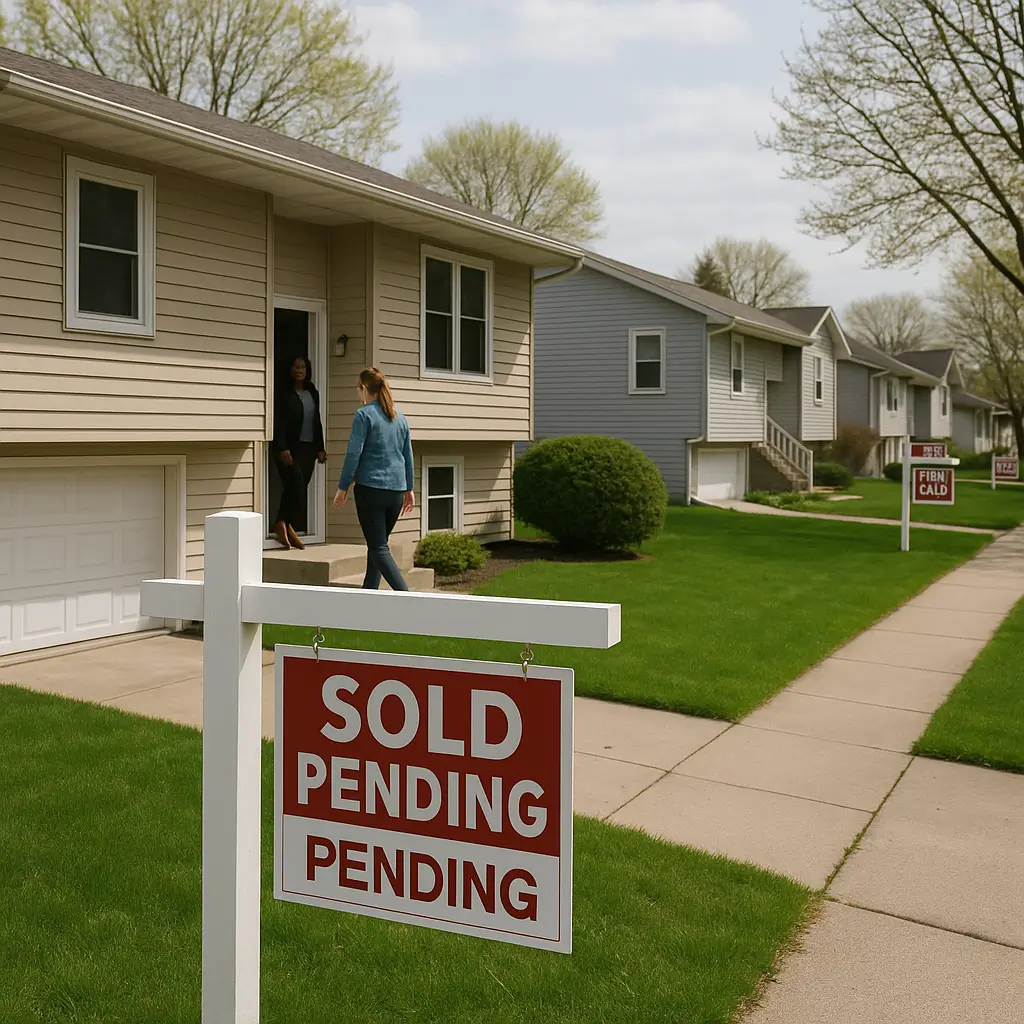
FAQs
Q: How does a HUD-approved housing counselor assist Iowa homeowners in avoiding foreclosure?
A: HUD-approved housing counselors provide free advice, communicate with lenders on your behalf, help organize finances, and explore available foreclosure prevention options.
Q: Are there specific programs in Iowa to help homeowners avoid foreclosure?
A: Yes, Iowa offers programs like the Homeowner Assistance Fund, aimed at helping with overdue mortgage payments, property taxes, and other housing-related costs.
Q: Is selling my house before foreclosure financially beneficial?
A: Yes, selling your home during the pre-foreclosure stage can help you repay your mortgage debt, often at a better price than an auction would provide, thereby protecting your credit score.