


Selling a home in Iowa can feel overwhelming, especially if time is of the essence and you'd prefer to avoid the traditional listing route. Fortunately, there are streamlined methods to sell your house quickly, often without the need for a realtor. By working with cash home buyers in Iowa, you can bypass many common hurdles such as repairs and commissions. This guide will help you navigate selling a home swiftly and efficiently, whether you're relocating, handling an inherited property, or managing foreclosure threats.

Exploring Your Quick Sale Options
When you're looking to sell your home fast, it's crucial to know the different options available to you:
- Sell House As-Is: If your property needs repairs or you’ve inherited a home, selling it as-is can save you time and money. This approach can be particularly useful for homes that don't warrant the investment of extensive renovations before a sale.
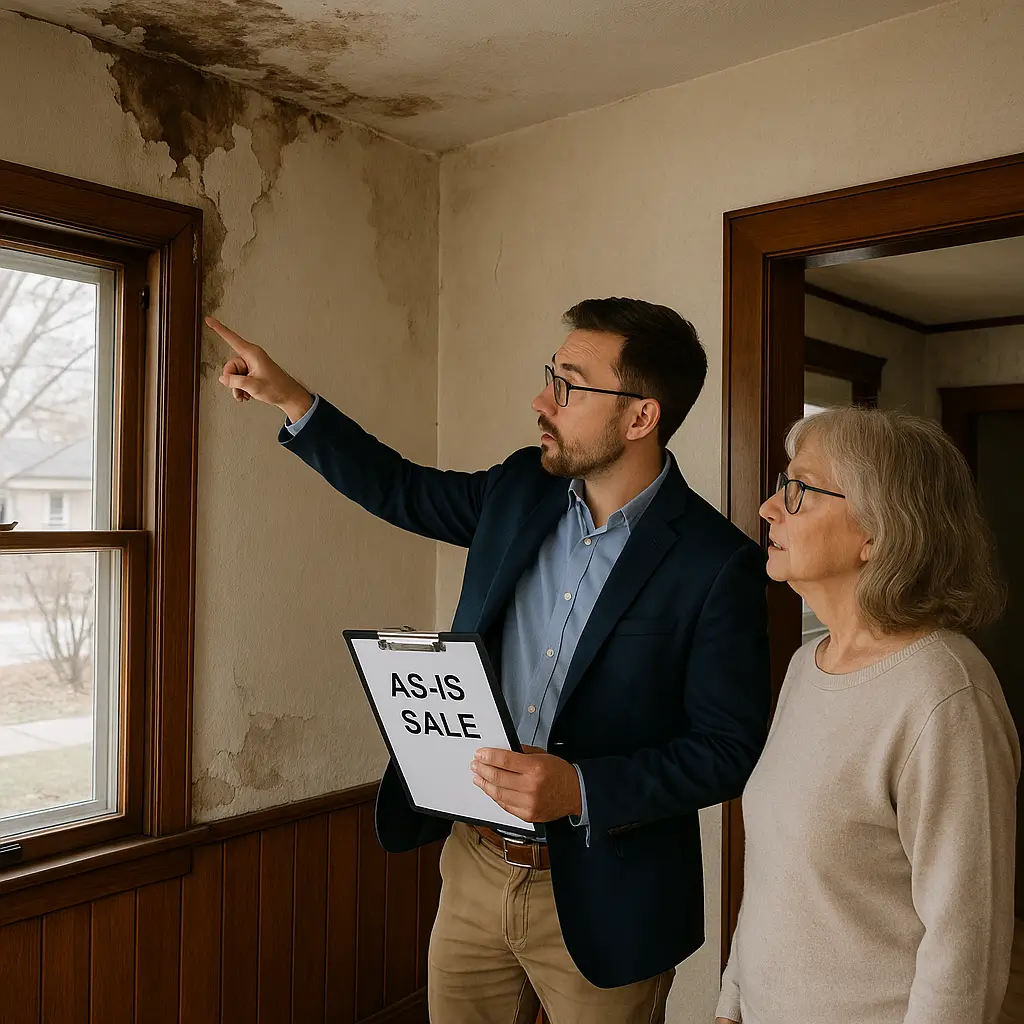
Cash Home Buyers in Iowa: These buyers specialize in quick property purchases, often completing transactions within days. This is a great option if you're facing foreclosure or want to quickly ease mortgage pressures.
Sell Without a Realtor: You can opt to sell directly to cash home buyers or investors, avoiding realtor commissions and potentially netting a higher return. This option not only speeds up the process but also provides a level of privacy and control over the sale.
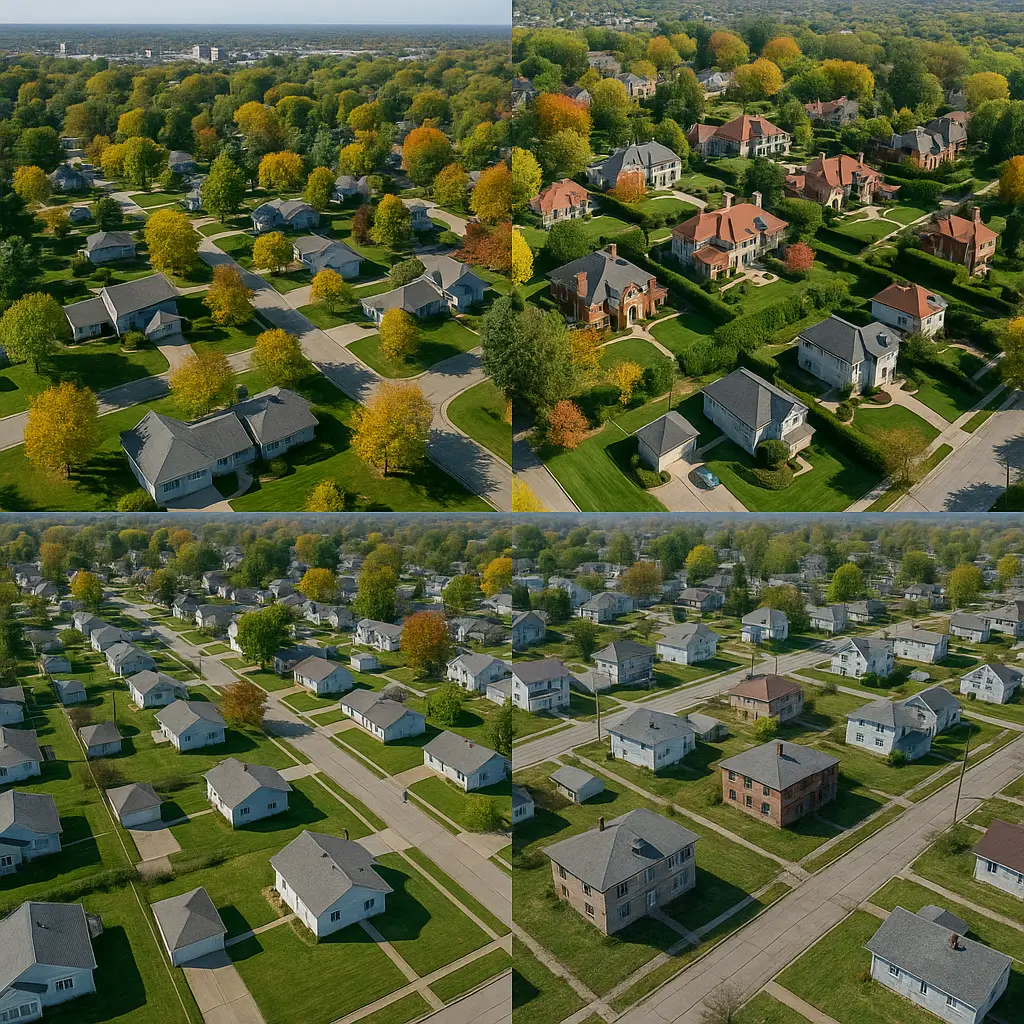
Insights into the Iowa Real Estate Market
Knowing how the local market operates helps you set competitive prices. Here are key insights:
- Property values in Iowa can vary greatly, especially between cities like Des Moines and Cedar Rapids compared to rural locations.
- Keep an eye on regional pricing trends to understand how much your house might be worth, allowing you to set a realistic price that appeals to cash buyers or investors.
Having a good grasp of these market dynamics can aid you in aligning your pricing and sales strategy effectively.
The Role of Investors in Quick Home Sales
Partnering with local investors can expedite your home sale dramatically. Here’s what makes this approach effective:
Speedy Transactions: Investors usually have the necessary capital on hand, allowing them to make swift cash offers.
Negotiable Terms: Because they typically aren't buying the property as a primary residence, investors can offer terms that are more flexible to suit your timeline and needs.
Engaging with investors can simplify the process and steer clear of the typical delays found in traditional methods.
Solutions for Foreclosure Concerns
If foreclosure is a looming concern, several strategies could help you stay afloat:
- HUD-Approved Counseling: Reach out to local housing agencies approved by HUD. They can help you explore options such as loan modifications and financial assistance programs that are particularly tailored for Iowa residents.
Exploring these solutions early can help safeguard your financial future and offer alternatives to foreclosure.
Conclusion
Selling your Iowa home quickly without a realtor is entirely achievable. With the right strategies, you can efficiently handle the sale of your property by leveraging local market insights and opting for cash home buyers or investors. To learn more about selling your home fast, visit webuyiowahomes.com for a cash offer or an accurate home valuation. Step into the future of home selling with confidence and ease!

FAQs
Q: How do cash home buyers in Iowa simplify the home-selling process?
A: Cash home buyers offer prompt financial evaluations and can close the deal within days, removing the long waiting periods associated with traditional sales and making them ideal for fast transactions.
Q: Is it possible to sell my inherited property in Iowa without doing repairs?
A: Absolutely. You can sell an inherited property as-is, which is beneficial if the house needs significant repairs. Cash buyers usually look past these issues and buy homes in any condition.
Q: What strategies can help Iowa residents avoid foreclosure?
A: Residents in Iowa can work with HUD-approved counselors to find solutions such as loan modifications or government assistance programs, which can mitigate foreclosure risks while offering financial stability.