


Facing foreclosure in Iowa can be an incredibly tough challenge for any homeowner. The stress of making quick decisions to safeguard your credit and equity can feel overwhelming. Luckily, there are ways to sell your house fast that can provide relief. Whether you're considering cash home buyers in Iowa or other quick-sale options, this guide will help you navigate through the best strategies tailored to Iowa's foreclosure landscape.
Understanding Foreclosure in Iowa
Foreclosures in Iowa can happen through either judicial or non-judicial processes. Understanding these is crucial for managing your timeline effectively. Judicial foreclosures, which are more common in Iowa, involve court proceedings, extending the timeline but also offering more opportunities for legal intervention. Non-judicial foreclosures skip the court system, resulting in a quicker process but less time to act. Knowing which process applies to your situation will inform how quickly you need to sell your home.
The Importance of Timing
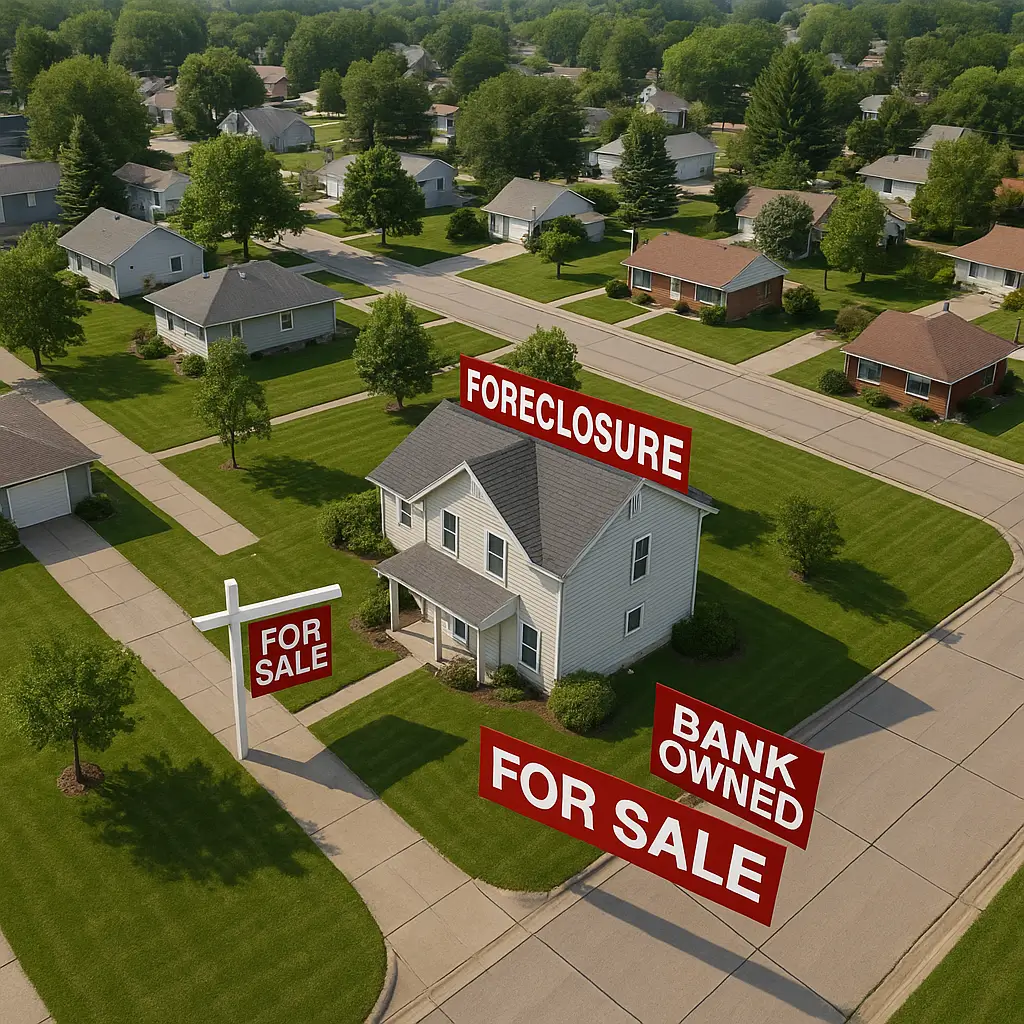
Timing plays a critical role when selling a house during foreclosure in Iowa. Moving quickly can help you retain more of your equity and protect your credit score. By selling your home before foreclosure is finalized, you could avoid long-term financial ramifications. Quick sales, especially to cash buyers, can often be completed within 14 to 21 days—perfect for avoiding the damaging effects of foreclosure.
Available Selling Options
If you're figuring out how to sell your house fast in Iowa, a few key options can meet your needs:
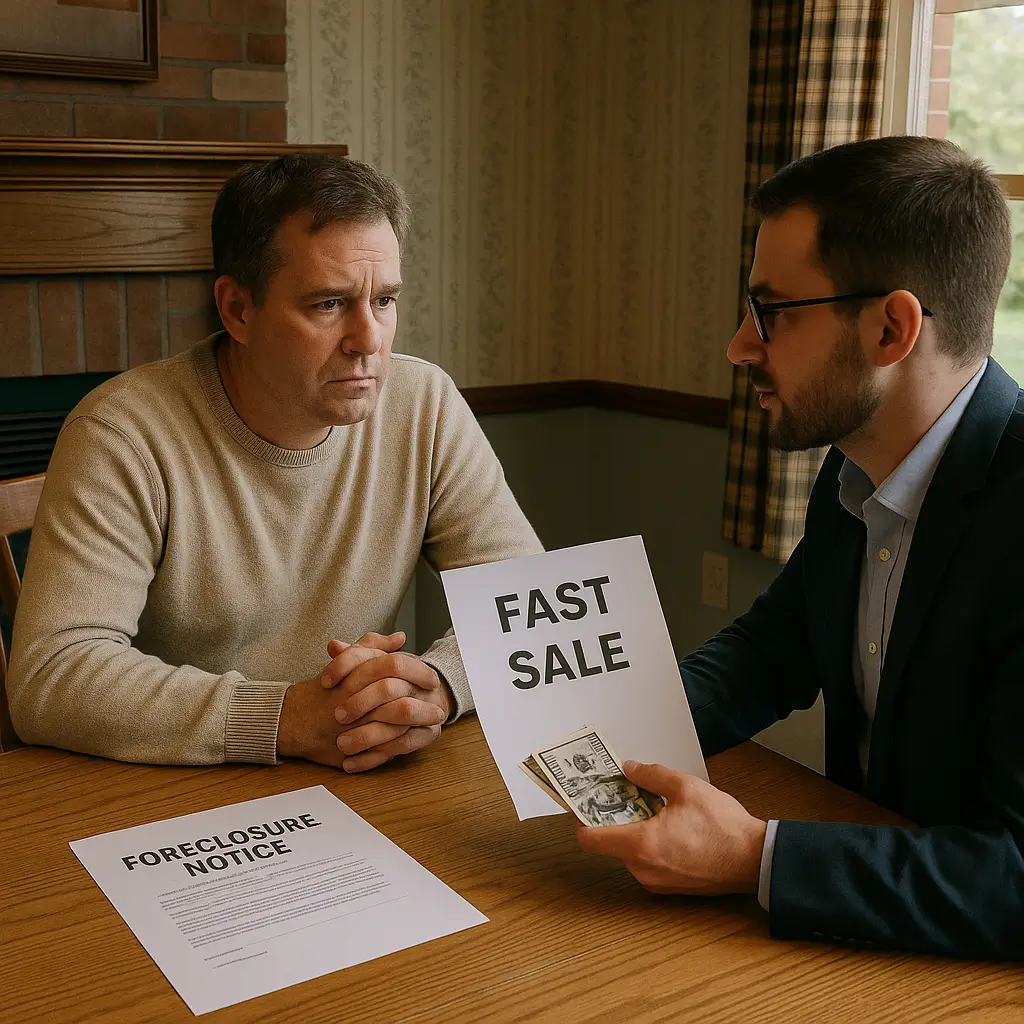
Cash Buyers: Cash home buyers in Iowa can wrap up purchases quickly, often without requiring repairs. This reduces stress and aligns well with foreclosure deadlines.
Short Sales: If you owe more on your mortgage than your home is worth, a short sale might be a solution. Though lender approval is needed, it offers a way to avoid foreclosure.
Traditional Listings: While these can yield full market value, they're less suited to the urgency of foreclosure-related timelines.
Each method has its advantages and drawbacks. For those in urgent financial situations, cash buyers usually provide the fastest resolution.
Preparing for a Quick Sale
To ensure a fast sale, preparation is essential. Start by getting a home value estimate to understand how much your house is worth. Seeking legal advice can also be beneficial, helping you understand timelines and negotiate with lenders. Having all necessary documents ready and maintaining open communication with your lender can speed up the process.

Utilizing Local Support
Iowa offers resources to assist homeowners facing foreclosure. Local foreclosure hotlines provide immediate help, guiding you on financial and legal issues. These resources aim to help you make informed choices and explore all options to avoid foreclosure through a quick sale.
Conclusion
Foreclosure doesn't have to spell the end of your financial stability. By understanding your selling options and acting quickly to sell your house, you can protect your credit score and preserve equity. At webuyiowahomes.com, we're committed to offering Iowa homeowners a smooth, stress-free path to a quick sale with cash offers or other efficient methods.
FAQs
Q: What distinguishes judicial from non-judicial foreclosure processes in Iowa?
A: Judicial foreclosures involve a court and typically take longer, allowing more time for legal interventions. Non-judicial foreclosures are faster and do not involve the court, requiring homeowners to act swiftly.
Q: Is it possible to sell my house as-is to cash home buyers during foreclosure in Iowa?
A: Yes, selling your house as-is to cash home buyers is a feasible option during foreclosure. They often close quickly without demanding repairs, helping you adhere to tight foreclosure schedules.
Q: Are there resources in Iowa to support homeowners facing foreclosure?
A: Absolutely, Iowa offers several resources such as foreclosure hotlines that provide essential guidance and assistance tailored to the needs of local homeowners, covering both legal and financial aspects.